
Botched upper eyelid surgery is one of the most emotionally challenging outcomes patients can experience after a cosmetic procedure. The eyes are the focal point of facial expression, and when an upper eyelid surgery goes wrong, it can affect not only appearance but also comfort and confidence.
At Sieber Plastic Surgery, Dr. David Sieber performs advanced eyelid surgery (blepharoplasty) with meticulous attention to detail, helping patients achieve bright, youthful eyes and balanced facial harmony. When complications arise, his expertise in revision eyelid surgery allows him to restore both function and natural beauty with precision and care.
What is Eyelid Surgery
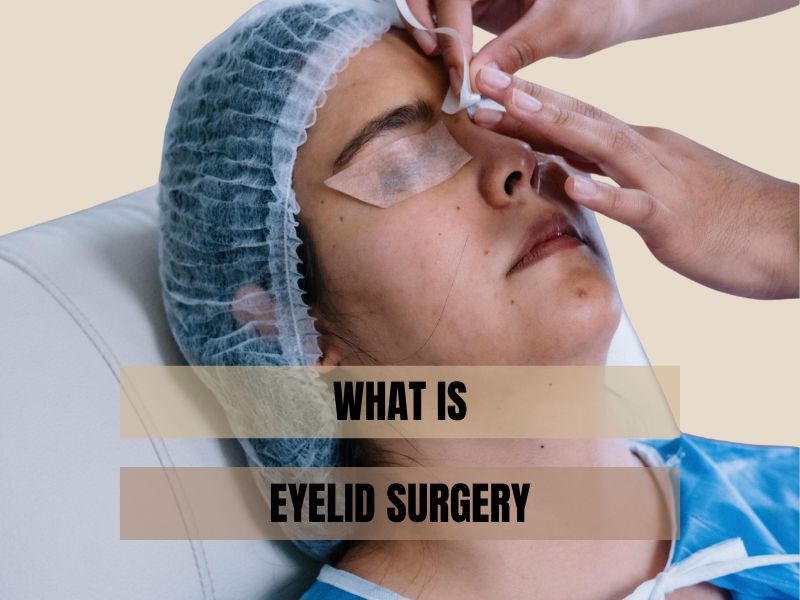
Cosmetic eyelid surgery, also known as blepharoplasty, aims to enhance the eyes by tightening loose skin and improving contour. Some patients also undergo double eyelid surgery, a technique that creates or enhances the upper eyelid crease for a more defined look. Upper blepharoplasty focuses on the upper eyelids, while lower blepharoplasty addresses eye bags and excess skin under the eyes.
During upper eyelid surgery, the surgeon removes or repositions tissue to eliminate droopy eyelids and restore a youthful appearance. When too much skin or fat is removed, or incisions heal poorly, the result may be unsatisfactory leading to a botched upper eyelid appearance.
Causes of Botched Eyelid Surgery
A botched eyelid surgery can occur for several reasons, often due to technical errors, poor healing, or an inexperienced surgeon. Even the smallest misjudgment during a surgical procedure on the eyelids can lead to noticeable complications.
Common causes include:
- Too much skin removal, resulting in tight or hollow eyelids
- Incorrect upper eyelid crease placement
- Damage to the levator muscle, leading to upper eyelid ptosis (droopy eyelid)
- Uneven fat removal or repositioning
- Visible or noticeable scars from poor incision placement
- Infection or poor healing process
A thorough evaluation of the patient’s surgical history and previous blepharoplasty helps determine the exact cause and guide the best approach for correction.
Complications of Botched Upper Eyelid Surgeries
Complications following botched upper eyelid surgeries can affect both cosmetic appearance and eyelid function. Patients may experience difficulty closing their eyes, drooping lids, or asymmetry between the two eyes. These complications often cause discomfort and emotional distress.
Common complications include:
- Hollow or sunken upper eyelids due to too much fat removal
- Eyelid malposition or asymmetry
- Droopy upper eyelid caused by levator muscle issues
- Visible or noticeable scars
- Persistent irritated eyes or tearing
- Functional issues such as difficulty closing the eyelids
Correcting these complications requires revision eyelid surgery or revisional blepharoplasty, performed by an experienced surgeon with expertise in oculoplastic surgery or plastic surgery focused on the eyes.
Qualifying for Revision Surgery
Not every patient is immediately ready for revision eyelid surgery. Surgeons typically recommend waiting several months after the original procedure to allow tissues to heal completely and swelling to subside.
You may qualify for revisional eyelid surgery if you experience:
- Upper eyelid ptosis (droopy upper eyelid affecting vision)
- Excess or uneven skin folds
- Difficulty closing eyes or blinking comfortably
- Scarring that affects appearance
- Hollow eyelids or sunken appearance
- Poor healing or asymmetry after the original surgery
At Sieber Plastic Surgery, Dr. David Sieber, a board certified plastic surgeon, will carefully evaluate your overall health, eye structure, and specific concerns to determine the most effective treatment plan for your revision eyelid surgery.
Revision Eyelid Surgery Options
Each revision eyelid surgery is customized to the patient’s specific problem. During revisional surgery, the surgeon corrects structural and cosmetic issues using precise surgical techniques.
Common revision options include:
- Fat grafting or fat injection to restore lost volume
- Skin grafts or flap reconstruction to replace missing tissue
- Ptosis repair to lift a drooping upper eyelid
- Scar revision to reduce visible scars
- Fat repositioning to smooth contour irregularities
Sometimes, lower eyelid surgery or a midface lift may be combined with upper eyelid revision for improved symmetry and rejuvenation. The goal is to restore eyelid function and create a harmonious, refreshed look.
Preparation for Revision Eyelid Surgery
Proper preparation improves both surgical outcomes and the healing process. Before undergoing revision eyelid surgery, patients should:
- Disclose their previous surgeries and medical history
- Stop certain medications that increase bleeding risk
- Avoid smoking and alcohol before surgery
- Arrange post-operative care and transportation
- Follow all pre-op instructions from their skilled surgeon
Patients should also discuss their expectations in detail. Realistic expectations and open communication with your surgeon are key to achieving satisfactory results.
Recovery from Revision Eyelid Surgery
The recovery period after revision eyelid surgery varies depending on the procedure’s complexity. Most patients experience mild swelling, bruising, and tired eyes for the first few weeks.
Typical recovery timeline:
- Week 1–2: Swelling and bruising are most noticeable.
- Week 3–4: Most visible signs subside; patients may resume light activities.
- After 4 weeks: Most patients can wear makeup and return to normal routines.
During recovery, patients may use cold compresses, prescribed pain medication, and ointments to support healing. Any severe pain, redness, or excessive swelling should be reported immediately.
Following your surgeon’s post-operative instructions carefully helps ensure smooth healing and optimal cosmetic results.
Common Revisional Surgeries
There are several types of revisional blepharoplasty procedures designed to correct specific complications.
1. Upper Eyelid Over-Resection Correction
Restores missing upper eyelid skin or tissue when too much skin was removed during the original surgery. Skin grafts may be necessary to improve function and comfort.
2. Lower Eyelid Retraction Repair
Addresses lower eyelid malposition caused by excess skin removal or scarring. Techniques like fat repositioning and fat grafting help smooth the transition between the eyelid and cheek.
3. Ptosis Repair (Levator Muscle Adjustment)
Tightens or repositions the levator muscle to correct drooping upper eyelids and restore symmetry.
4. Scar Revision Surgery
Reduces noticeable scars using advanced surgical techniques or laser treatments to improve overall eyelid appearance.
Each approach is carefully tailored to the patient’s anatomy and prior surgical complications.
Lower Eyelid Considerations
While the focus is often on botched upper eyelid surgery, the lower eyelids can also experience complications. Lower eyelid surgery requires special precision to avoid pulling, scarring, or asymmetry.
Lower blepharoplasty may involve:
- Fat repositioning or fat grafting to smooth eye bags
- Correcting loose skin or hollowing under the eyes
- Preventing lower lid retraction by maintaining support structures
A skilled surgeon will use advanced surgical techniques to protect the delicate tissues of the lower eyelid and achieve natural-looking results.
Revisional Blepharoplasty Cost
The cost of revisional blepharoplasty depends on the complexity of the procedure, anesthesia, and the surgeon’s expertise. Prices vary widely, especially for patients requiring multiple eyelid surgeries or complex reconstruction.
- Extent of correction needed
- Surgeon’s experience and credentials
- Facility and anesthesia fees
- Additional treatments like fat grafting or scar revision
While revision eyelid surgery can be more expensive than the initial procedure, it’s an investment in safety, appearance, and comfort. Transparent consultation helps patients understand the total cost and available financing options.
Is Revisional Surgery Right for You?

Revisional eyelid surgery is ideal for patients dissatisfied with the results of a previous blepharoplasty or suffering from functional problems. If you experience uneven eyelids, visible scars, or discomfort, a consultation with a board certified plastic surgeon can determine the best corrective plan.
During your consultation, your surgeon will perform a thorough evaluation, review eyelid surgery photos, and discuss potential outcomes. With proper planning, revisional surgery can restore confidence and deliver natural-looking results that enhance your facial harmony.
FAQs: Botched Upper Upper Eyelid Surgery
What causes botched upper eyelid surgery?
Common causes include removing too much skin or fat, incorrect eyelid crease placement, and poor healing. Inexperienced surgeons or improper surgical techniques often lead to complications that require revision eyelid surgery.
How soon can I get revision eyelid surgery?
Most surgeons recommend waiting at least 6 months after the initial upper eyelid surgery to allow tissues to heal and swelling to subside before considering revisional surgery. Reviewing before and after photos from your surgeon can also help you understand realistic outcomes and set clear expectations for your revision eyelid surgery.
Can botched eyelid surgery be fixed?
Yes. With revisional blepharoplasty, a skilled plastic surgeon can correct asymmetry, scars, or functional issues. In some cases, fat grafting or skin grafts are used to restore missing tissue and achieve natural-looking results.
How long does recovery take after revision surgery?
Most patients notice improvement within a few weeks, with full healing typically taking 2–3 months. Following post-operative care and avoiding certain medications promotes a smoother healing process.
What is the difference between upper and lower eyelid surgery?
Upper eyelid surgery removes excess skin and corrects drooping lids, while lower eyelid surgery focuses on removing puffiness and tightening loose skin under the eyes. Both aim to rejuvenate the eyes but target different areas.
Is revision eyelid surgery safe?
When performed by a board certified plastic surgeon, revision blepharoplasty is generally safe. Selecting the right surgeon with experience in botched eyelid surgeries significantly reduces risks and ensures better outcomes.
Schedule Your Consultation at Sieber Plastic Surgery
If you’ve experienced botched upper eyelid surgery, it’s essential to seek the care of a qualified specialist who understands the complexities of revisional procedures.
At Sieber Plastic Surgery, Dr. David Sieber, a board certified plastic surgeon, combines advanced surgical techniques with an artistic approach to restore balance, comfort, and natural-looking results. Schedule your consultation today to discuss your personalized treatment plan and take the first step toward renewed confidence.