

When excess skin and fat become a problem on the abdomen, a tummy tuck can deliver a smoother, tauter profile. The tummy tuck procedure is relatively quick, and tummy tuck recovery is short, making the tummy tuck one of the most sought-after surgeries at Sieber Plastic Surgery.
Still, one question that we often receive from patients before their tummy tuck procedure is, “What will Your Belly Button After Tummy Tuck look like?”
If this is a concern you’ve had, we’d like to quell any worries you’ve had right away: Your belly button will essentially look the same after your tummy tuck surgery — or better! Let’s take a look at the tummy tuck procedure vs liposuction a bit more and examine how a tummy tuck will affect your what happens to your belly button in particular.
What Is a Tummy Tuck Surgery?
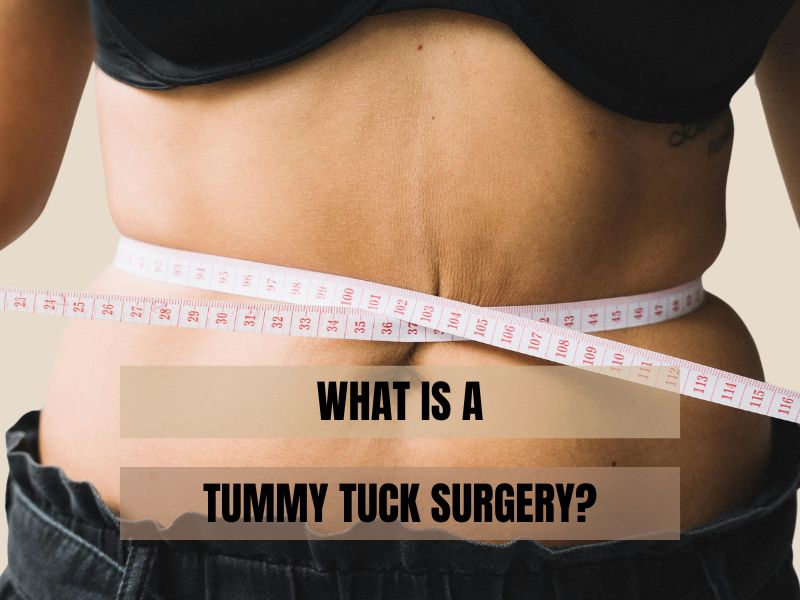
A tummy tuck is meant to remove excess fat and skin from the abdominal area. The tummy tuck surgery involves removing extra skin (and fat, if necessary). Separated or weakened muscles can also be repaired to achieve a more toned surface.
While a tummy tuck can contour and enhance the look of areas like your hips and thighs as well, a tummy tuck mostly focus on the abdomen. The procedure is beneficial to many different types of people. One of the most common reasons to get a tummy tuck is simply the desire to get rid of extra skin on the lower abdomen. Excess skin often accumulates simply as a result of time and gravity. As we age, everything on our bodies naturally moves downward. Gravity doesn’t help.
Additionally, if you’re weight has fluctuated throughout your lifetime or you’re a woman who’s gone through natural childbirth, you may experience even more excess skin on the abdomen. This skin often congregates around the belly button area, creating somewhat of a hood over the top of the navel. It can also create folds and ripples that are uncomfortable and may make you feel self-conscious, especially when wearing tight fitting clothing or a bathing suit.
Finally, a tummy tuck is quite common among individuals who have undergone extreme weight loss. If you’ve lost a significant amount of weight, you will likely experience sagging skin on the abdomen and elsewhere. A tummy tuck can take care of this skin. Your surgeon will cut off any excess and reposition and contour the remaining skin (and sometimes the belly button) to create a more natural, contoured, and attractive result. In some cases, stretch marks can even be removed.
How Does a Tummy Tuck Surgery Affect the Belly Button?
Your surgeon knows that your belly button needs to look great after surgery. A well-positioned, natural looking belly button is definitely part of the results you’ll see from your procedure.
As far as how the belly button is or isn’t manipulated during surgery, this will depend on several factors. That is, in many cases, your surgeon won’t need to change your belly button at all. It will not be removed. Instead, only a small incision will be made around the belly button in order for it to be released from the skin around it. This is standard practice for tummy tucks. As such, it will act as a “stalk,” staying attached to the muscle beneath it but not actually moving its position.
If this is the case, the navel will ultimately be left in the same spot, and it will look the same after your surgery. Only the skin around your navel will be moved and repositioned. This is usually what happens for tummy tucks that don’t require too much fat and skin removal and few changes to the underlying abdominal muscles.
In some cases, however, it is possible that your belly button will need to be ultimately repositioned in relationship to your abdominal skin in order to help your abdominal profile look more natural. During your surgery, then, your surgeon will likely redrape the surrounding skin around and over your navel, then create a new opening within the skin where your belly button will go. The belly button will then be carefully reattached for a natural result.
What Is the Role of the Tummy Tuck Belly Button
During a tummy tuck, the belly button plays a key role in achieving balanced results. Most surgeons focus on preserving the belly button to maintain a natural looking belly button while tightening the abdominal muscles and removing excess abdominal skin. The belly button remains attached to its belly button stalk, and the existing belly button is brought through a new opening once the fully tummy tuck is completed. This technique allows the belly button to keep its natural shape while blending smoothly with the surrounding skin.
In some cases, belly button reconstruction may be required, especially when prior surgeries or an umbilical hernia affect the area. The surgeon will still ensure the belly button looks proportional and aligned with the tightened abdominal muscles and flatter lower abdomen. With proper care, you can support optimal healing, reduce the risk of a visible tummy tuck scar, and enjoy a smooth recovery. Factors such as future weight gain or changes in abdominal skin elasticity may influence long-term appearance, but modern belly button repositioning techniques used in cosmetic surgery help create a refined, lasting result centered around a well-designed belly button.
Looking for a Qualified Plastic Surgeon Who Can Perform a Tummy Tuck Surgery?

If you are considering a tummy tuck for yourself, remember a few pieces of advice for your surgeon search.
First, it’s important to find a board-certified plastic surgeon who. This should prove that they have the education and experience necessary to carry out your procedure with skill and achieve the quality results you’re looking for.
Of course, while it is definitely critical to look for a board-certified surgeon, there are other things to be on the lookout for as well. Most importantly, you should look at the surgeon’s past work. Most plastic surgeons have a space on their website devoted to before and after photos. When you go to a surgeon’s website, navigate to this page, and look specifically for before and after photos of tummy tuck procedures.
Do you like what you see? Do you see any before photos that look similar to your current shape and the specific challenges you face? Are you happy with the results those individuals achieved? You shouldn’t be able to see too much scarring, and the overall contouring of the abdomen should be smooth and taught without looking unnatural.
Finally, read some reviews from past patients. It’s good to know that your surgeon will have a nice bedside manner and that they will take the time needed to explain the surgery to you, including what to expect before, during, and after —when you are in recovery. Of course, you’ll also be able to gauge some of these things are your consultation appointment.
Your consultation appointment is the first appointment you’ll have with your plastic surgeon. At this meeting, your surgeon will take a look at your anatomy and probably mark up your skin a bit as they explore your options for tummy tuck surgery. Your plastic surgeon will also review your medical history and make sure you’re a good candidate for the procedure.
Finally, you’ll get to ask any questions you may have, and if you decide to move forward, you should be able to schedule your surgery right away.
Questions and Answers About Belly Button After Tummy Tuck
Why does my belly button look weird after a tummy tuck surgery?
Improperly positioned navel can disrupt torso symmetry, leading to an irregular appearance. A seasoned board-certified plastic surgeon ensures an ideal, natural looking belly button placement for your new belly button, enhancing tummy tuck outcomes.
Is it normal for belly button to stick out after tummy tuck?
Following a tummy tuck, belly button may either diminish in size or even seem stretched and elongated, depending on the case.
What is the bulge around the belly button after a tummy tuck?
Pseudobursae are noticeable protrusions that develop beneath the abdominal soft tissue after surgery, resulting from the accumulation of dense scar tissue. Frequently, these pseudobursae are a natural outcome of the body’s healing process and tend to manifest above the incision made at the waistline or above the navel.
What happens to your belly button after mini tummy tuck?
A mini tummy tuck specifically targets the lower abdominal wall ‘pooch’ below the belly button, leaving the belly button appearance unaffected. Therefore a mini tummy tuck does not affect the belly button.
Will I Still See Tummy Tuck Scars After 5 Years?
Most patients notice that tummy tuck scars after 5 years are significantly lighter, smoother, and much less visible. While the incision line will never completely disappear, proper care, good skin quality, and a stable weight help the scar fade over time. Reviewing before-and-after photos can also give a realistic idea of what tummy tuck scars after 5 years typically look like.
What Determines the Cost of a Tummy Tuck?
The cost of a tummy tuck varies based on surgeon experience, geographic location, facility fees, anesthesia, and the complexity of the procedure. Additional treatments such as liposuction or hernia repair may also increase the cost. The best way to get an accurate cost estimate is through a personalized consultation with a board-certified plastic surgeon.
Book Your Tummy Tuck Consultation?
Don’t feel self-conscious about your stomach any longer. Sagging excess skin and excess fat can be a thing of the past. Dr. David A. Sieber board certified plastic surgeon has performed countless tummy tucks in the San Francisco Bay Area and helps tummy tuck patients achieve the abdominal wall silhouette they have all dreamed of having.
Dr. Sieber is board-certified and is known for his excellent work and close attention to detail. His kind and knowledgeable demeanor puts you at ease, and he always takes the time to fully answer your questions and concerns.
Contact Sieber Plastic Surgery today to book your consultation with Dr. Sieber!