
Featured In









Many women considering breast augmentation want fuller, more balanced breasts – but hesitate because of the recovery, pain, and tissue damage associated with traditional breast augmentation. Motiva Preservé™ is a minimally invasive breast augmentation technique that increases breast volume while preserving your natural breast tissue, ligaments, nerves, and chest muscles. Dr. David Sieber, a board certified plastic surgeon in San Francisco, offers this advanced technique to patients who want natural looking results with significantly less downtime and postoperative discomfort.
Schedule your personalized consultation with Dr. Sieber to find out if Motiva Preservé is right for you.
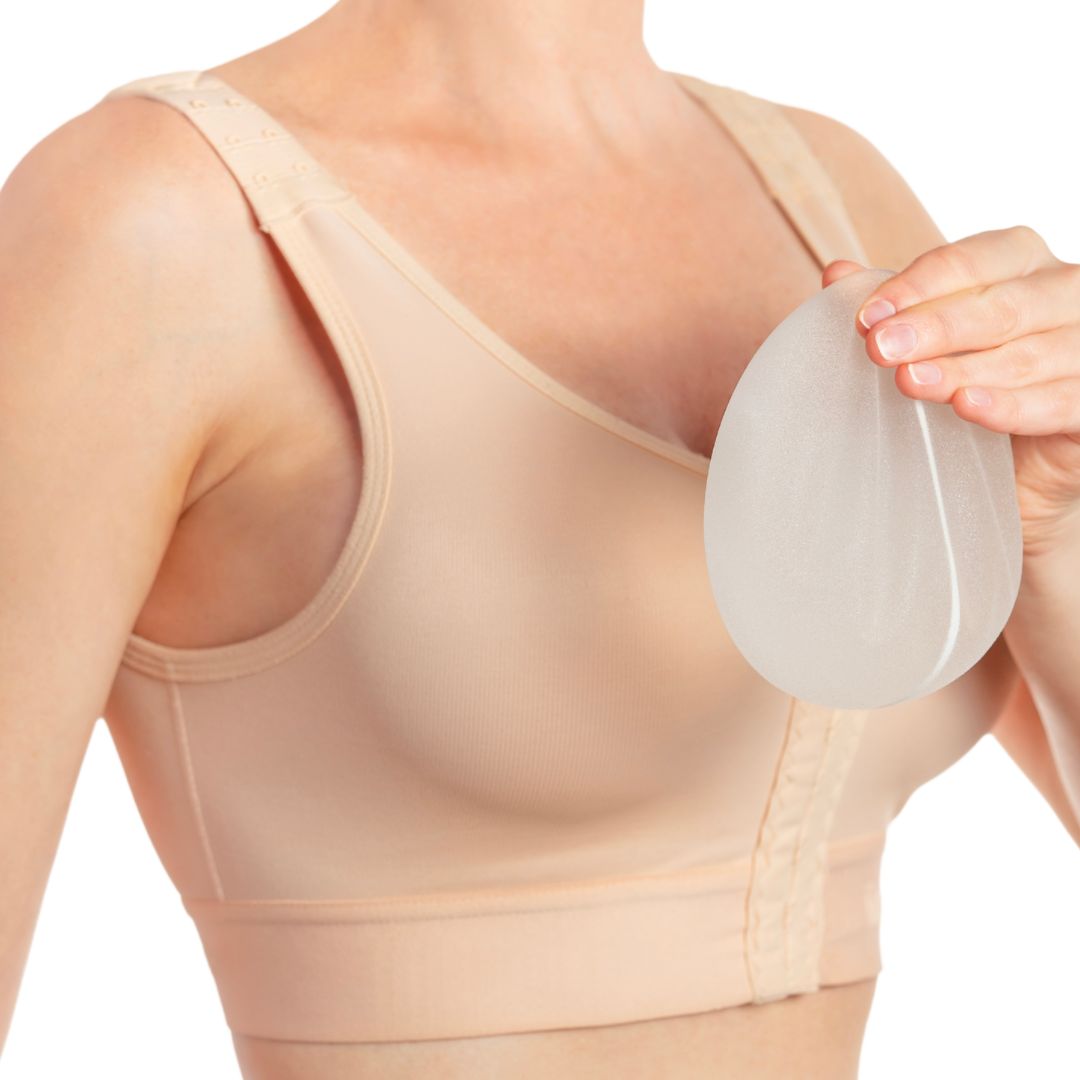
Motiva Preservé is a tissue-preserving approach to breast augmentation that prioritizes keeping your breast anatomy intact. Unlike traditional techniques that rely on cutting, electrocautery, and extensive dissection to create the implant pocket, Preservé utilizes specialized surgical tools including a channel separator and an inflatable balloon to gently expand and prepare the breast pocket without destroying surrounding structures.
The procedure typically takes 45 minutes to complete. Preservé is designed to conserve internal support structures like ligaments, blood vessels, and glandular tissue – the very anatomy that gives your breasts their natural shape, support, and nipple sensation. Implant placement occurs above the pectoralis muscle (prepectoral), so there is no need to cut or detach chest wall muscles.
Once the precision pocket creation is complete, Preservé utilizes a no-touch insertion sleeve to minimize contact with the skin during surgery, reducing the risk of contamination and foreign body response. Motiva’s SmoothSilk Ergonomix Implants are used specifically with the Preservé technique, placed through smaller incisions made possible by the implant’s flexible shell and the specialized insertion system. The result is a less invasive technique that protects your natural breast tissue and sensation while delivering the breast enhancement you want.

Traditional breast augmentation typically involves significant tissue disruption – surgeons cut through or detach chest muscles, use electrocautery to dissect tissue planes, and create larger incision sites. This surgical approach often requires general anesthesia and leads to more swelling, bruising, and a longer, more painful recovery. Many patients also experience “animation deformity,” where the implant shifts visibly when the pectoral muscle contracts.
Motiva Preservé takes the opposite approach. Because this minimally invasive technique works above the muscle and uses instruments that stretch rather than cut, it preserves the natural breast ligaments and tissue planes that keep implants positioned correctly over time. Clinical data indicate lower complication rates with the Preservé technique, including a reduced risk of capsular contracture and implant malposition.
Key differences compared to traditional techniques:
A survey of experienced plastic surgeons found strong consensus that Motiva’s implant technologies produce softer results, fewer complications, and reduced capsular contracture compared to conventional silicone breast implants.
The Motiva Ergonomix2 implant is the silicone breast implant designed specifically for the Preservé technique. What sets it apart from conventional breast implants is its ability to mimic natural movement – the implant flows with gravity when you’re standing, showing more lower pole fullness, and rounds out when you’re lying down. This adaptive behavior comes from the ProgressiveGel ULTIMA® core, a cohesive yet remarkably soft silicone gel that responds to your body position the way natural breast tissue does.
Motiva implants feature a smooth surface called SmoothSilk®, an advanced surface topography engineered to minimize bacterial adhesion and reduce the body’s low inflammatory response. This design contributes to the implant’s favorable safety profile. According to four-year clinical study data, Motiva implants demonstrate a capsular contracture rate of approximately 0.5%, a rupture rate of roughly 0.6%, and an infection rate of about 0.9%. No cases of BIA-ALCL (breast implant–associated anaplastic large-cell lymphoma) have been reported in association with Motiva implants through their sales records.
Additional safety features include BluSeal+®, a barrier layer visible during surgical inspection that confirms shell integrity, and Zen® RFID identification for long-term implant traceability. Motiva’s implants have received FDA approval (PMA P230005), and a post-approval study is currently underway through ClinicalTrials.gov to provide longitudinal safety data through 2037.
The flexible shell design of the Ergonomix2 allows implant selection across a range of moderate sizes ideal for primary breast augmentation – typically supporting one to two cup size increases. Because the implant compresses to pass through the insertion sleeve, incision location can be kept discreet and minimal.

Recovery typically takes 4-6 weeks after surgery, though the tissue sparing approach of Motiva Preservé means most patients experience noticeably less pain, swelling, and restriction than with traditional breast augmentation surgery. Because chest muscles are left untouched and tissue disruption is minimized, patients experience a faster recovery with Motiva Preservé compared to conventional breast augmentation procedures.
Patients can return to work within a few days, and most patients resume regular exercise after 2-3 weeks. Below is a general week-by-week guide – Dr. Sieber will provide a personalized treatment plan tailored to your anatomy and healing.
Week 1
Swelling and soreness are common for a few days post-surgery, concentrated around the incision location and the breast pocket. Discomfort is typically mild to moderate and well-managed with prescribed medication. Most patients describe the sensation as tightness rather than sharp pain.
During the first week:
Week 2
Swelling begins to reduce noticeably, and most patients report significantly improved comfort. Light daily activities become easier, though lifting restrictions and exercise limitations remain in place.
Week 3
By week three, most patients experience a significant improvement in comfort and mobility. The breasts begin settling into their natural shape as swelling continues to subside.
Week 4
Most patients return to normal activities including moderate exercise by the fourth week. The implants continue settling, and the breast shape becomes increasingly defined.
Implants are not lifetime devices; future monitoring and potential revision should be anticipated as part of any breast surgery plan
Motiva Preservé breast augmentation reflects a premium investment in advanced technology, specialized training, and a minimally invasive surgical approach designed for superior outcomes. Several factors influence the total cost:
For reference, Motiva Preservé Breast Augmentation costs approximately $29,000 in Delray Beach, and costs for Preservé in New York City vary by surgical complexity. Preservé by Motiva costs differ based on personalized treatment plans. In San Francisco, where the median traditional breast augmentation costs approximately $7,578, Preservé procedures command higher fees reflecting the advanced technology and technique involved.
Consultations provide tailored cost estimates for Motiva procedures. Dr. Sieber’s office can also discuss financing options to help make this investment accessible. An initial consultation is the best way to receive an accurate, individualized quote.

Ideal candidates are women seeking natural breast volume with minimal recovery downtime and smaller incisions. Candidates should have sufficient existing tissue to cover the implant properly. Dr. Sieber evaluates your anatomy and goals during a private consultation.
The procedure typically takes 60 to 90 minutes. Thanks to the tissue-preserving technique, it can be performed under local anesthesia with sedation or general anesthesia, depending on patient preference and surgical plan.
Yes. It can be combined with a Breast Lift for patients who require both volume restoration and tissue repositioning, as well as with body contouring procedures.
Because the technique spares chest muscles and natural tissue structures, patients experience significantly less post-operative pain, reduced swelling, and a much faster return to daily activities—often within a few days to a week.
The Ergonomix2 implant features progressive silicone gel that adapts to gravity, providing a natural teardrop shape when standing and a rounded profile when lying down, along with a smooth surface designed to minimize capsular contracture risks.
Dr. David Sieber is a board certified plastic surgeon in San Francisco with specialized training in modern breast augmentation techniques including Motiva Preservé. His approach combines clinical precision with surgical artistry to deliver natural results tailored to each patient’s anatomy and goals.
Your comprehensive consultation includes a thorough evaluation of your breast anatomy, a discussion of your aesthetic goals, 3D imaging to help visualize potential outcomes, and a personalized treatment plan with detailed cost information. Whether you’re considering a primary breast augmentation or exploring combined procedures, Dr. Sieber will guide you through every aspect of your decision.
Contact Sieber Plastic Surgery today to schedule your consultation.
American Society of Plastic Surgeons – plasticsurgery.org
U.S. Food and Drug Administration – Motiva Implants PMA P230005 Summary
ClinicalTrials.gov – Motiva Implants Post-Approval Study (NCT06938399)
National Center for Biotechnology Information – Expert Consensus on Motiva Safety (PubMed)
Establishment Labs – Motiva Official Clinical Data
The information on this page is intended for educational purposes and does not constitute medical advice. Motiva Preservé™ procedures are tailored to individual anatomy. Results may vary. Schedule a consultation with board-certified plastic surgeon Dr. David Sieber for a personalized surgical plan.