

A Bad BBL can turn what should be a confidence-boosting cosmetic procedure into a stressful and emotional experience. A Brazilian Butt Lift is meant to enhance shape using your own fat, but when results are uneven or complications occur, patients may face discomfort, infection, or more serious risks. At Sieber Plastic Surgery, Dr. David Sieber focuses on patient safety, proper technique, and honest guidance, helping patients understand what went wrong and what options are available for safe correction or revision.
Understanding how a Brazilian Butt Lift (BBL) works, what can go wrong, and how problems are treated is essential before choosing this cosmetic surgery. The goal of this guide is to help future patients make informed, safe decisions.
Introduction to Brazilian Butt Lift (BBL)
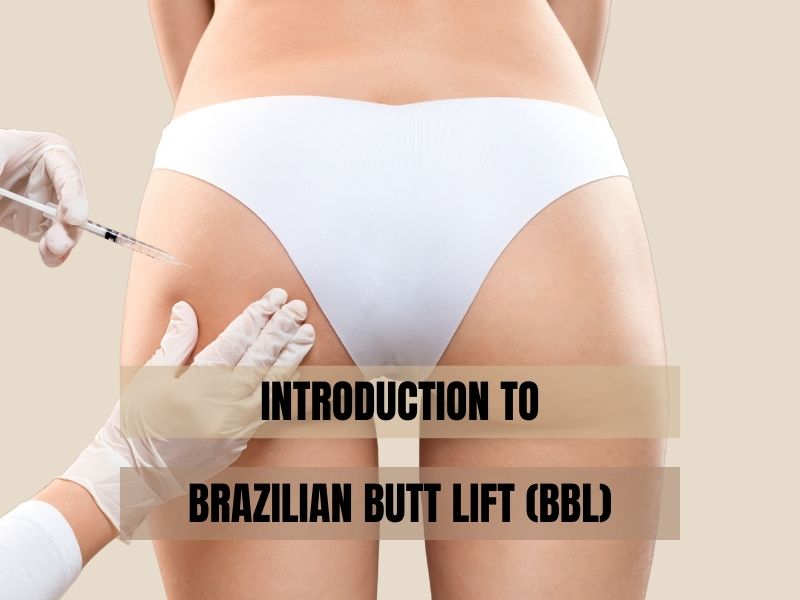
Brazilian Butt Lift is a popular cosmetic procedure that improves the shape and size of the buttocks using fat transfer. During the initial cosmetic surgical procedure, surgeons remove excess fat from areas like the abdomen, flanks, or bilateral thigh, then inject it into the buttocks.
The BBL procedure sounds simple, but it is still a complex surgical procedure. Understanding the risks, proper technique, and recovery process is key to avoiding a BBL gone wrong. While healthy young female patients are often considered ideal candidates, no patient is risk-free. Choosing a board certified plastic surgeon greatly reduces complications.
Choosing the Right Surgeon
Selecting the right surgeon is the most important step in preventing botched BBL surgery.
A skilled surgeon with specific experience in Brazilian Butt Lift surgery understands how to safely handle fat cells, avoid improper placement, and protect deeper tissues.
When choosing a surgeon, patients should:
- Confirm the surgeon is a board certified plastic surgeon
- Review before-and-after photos of real BBL patients
- Ask how many BBL procedures the surgeon performs each year
- Discuss risks like fat embolism and infection openly
An experienced plastic surgeon will assess body type, fat availability, and overall health. They will explain realistic surgery outcomes and help patients avoid unrealistic expectations that often lead to botched bad BBL results.
Understanding BBL Risks and Complications
Even when done correctly, BBL surgery carries significant risks. When done poorly, complications can be severe.
Common BBL complications include:
- Fat necrosis, where transferred fat cells die
- Soft tissue infections
- Multiple soft tissue defects
- Bilateral lower extremity swelling
- Deep vein thrombosis
- Fat embolism or pulmonary embolism
A fat embolism occurs when injected fat enters the bloodstream. This is one of the most dangerous BBL risks and can be life-threatening. Some patients also develop complicated postoperative infections, sometimes linked to poor infection control practices.
In rare medical cases, surgeons may encounter resistant treatment characteristics, including clinical macrolide resistance, quinolone resistance determining region, or acquired mutational macrolide resistance, requiring advanced antibiotic treatment.
BBL Procedure Overview
The Brazilian Butt Lift BBL involves two main steps: fat removal and fat grafting.
First, surgeons use liposuction to remove excess fat from donor areas. Then, purified transferred fat is carefully injected into the buttocks.
Key goals of a safe BBL procedure include:
- Even fat distribution
- Avoiding deep muscle injection
- Preserving blood supply to bilateral gluteal soft tissues
- Preventing improper fat placement
When too much fat is injected or fat is improperly injected, patients are more likely to experience bbl necrosis, asymmetry, or infection. Proper technique protects long-term results and reduces serious complications.
Avoiding Bad BBL Results
Preventing a botched BBL starts long before surgery.
Important prevention steps include:
- Choosing a board certified plastic surgeon
- Following all post operative care instructions
- Avoiding smoking and maintaining a healthy lifestyle
- Understanding that the natural aging process affects results
Weight changes can also impact transferred fat cells. Gaining or losing weight may cause uneven results over time. Patients who expect permanent perfection often feel disappointed when aging or gravity alters their appearance.
BBL Smell: What Does It Mean?
One alarming sign of a BBL gone wrong is a BBL smell. Patients often describe a strong, unpleasant odor coming from incision areas.
A BBL smell bad may indicate:
- Infection
- Fat necrosis
- Open wounds in bilateral gluteal soft tissues
- Initial bilateral gluteal lesions
Treatment may include broad spectrum antibiotic therapy, IV antibiotic treatment, or prescribed oral antibiotics. In severe cases, oral antimicrobial therapy alone may not be enough, and hospitalization may be required.
Any unusual odor, drainage, or pain should be evaluated immediately by a plastic surgery professional.
Corrective Surgery for Botched BBL
A botched Brazilian Butt Lift can have both physical and emotional consequences. Patients may struggle with discomfort, body image issues, and loss of trust in cosmetic surgery.
Corrective surgery or revision surgery may be needed when:
- Fat is uneven or misplaced fat is visible
- Infections damage tissue
- There are multiple soft tissue defects
- Scarring affects shape or comfort
An experienced plastic surgeon specializing in BBL revisions can determine whether fat should be removed, redistributed, or replaced to restore balance and safety. At Sieber Plastic Surgery, Dr. David Sieber carefully evaluates each case and, when appropriate, may recommend a traditional butt lift instead of additional fat transfer to achieve a more natural and reliable result.
BBL Scars and Revisions
BBL scars are usually small, but poor healing or infection can worsen their appearance.
Revision procedures may address:
- Thick or painful scars
- Irregular contours
- Areas of fat removal imbalance
Proper wound care, avoiding pressure, and following recovery instructions help minimize scars. Patients should understand that each additional surgery carries risk, and some botched BBL procedures may require more than one correction.
Long-Term Effects of BBL
Long-term effects of Brazilian Butt Lift surgery depend on surgical technique, lifestyle, and genetics.
Potential long-term issues include:
- Fat loss due to aging
- Shape changes from weight fluctuation
- Rare delayed pulmonary embolism
- Chronic discomfort or swelling
Maintaining a healthy lifestyle, stable weight, and realistic expectations helps preserve results. A skilled surgeon will discuss long-term care and signs that may require follow-up.
Emotional and Psychological Impact
A bad bbl affects more than the body. Many patients experience anxiety, depression, or regret after a bbl gone wrong.
Feelings of embarrassment, fear, or anger are common, especially when complications interfere with daily life. Support from medical professionals, family, and counseling can help patients recover emotionally as well as physically.
Conclusion
Avoiding a Bad BBL requires education, preparation, and careful decision-making. Patients should always choose a board certified plastic surgeon, follow recovery guidelines, and understand the real risks of this cosmetic surgery.
While Brazilian Butt Lift can deliver beautiful results, it is not risk-free. Knowing the warning signs, respecting the healing process, and seeking help early can prevent serious complications and protect both health and confidence.
Frequently Asked Questions: Bad BBL & Solutions
What does BBL mean in cosmetic surgery?
BBL meaning refers to Brazilian Butt Lift, a cosmetic procedure that enhances the buttocks using fat transfer. Fat is taken from another area of the body and injected into the buttocks. While popular, it carries serious risks if done incorrectly.
What causes a botched BBL?
A botched BBL is often caused by improper fat placement, injecting too much fat, or choosing an inexperienced surgeon. Poor aftercare and ignoring post-operative instructions can also lead to complications. Infections and fat necrosis are common problems.
Why do BBL smell bad?
A BBL smell bad can be a sign of infection or dying fat tissue. This may require antibiotic treatment or surgical cleaning. Any unusual odor should be evaluated immediately by a plastic surgeon.
Can a bad BBL be fixed?
Yes, many botched bbl surgery cases can be improved with revision surgery. The approach depends on the damage, infection, and remaining healthy tissue. Not all results can be fully corrected, but improvement is often possible.
Is fat embolism a real risk with BBL?
Yes, fat embolism is one of the most serious risks of BBL surgery. It occurs when injected fat enters the bloodstream. Choosing a board certified plastic surgeon and proper technique greatly reduces this risk.
How long should I wait before BBL revision surgery?
Most surgeons recommend waiting several months before corrective surgery. This allows swelling, infection, and tissue damage to heal. Your surgeon will guide timing based on your specific condition.
How much is a BBL?
The cost of a Brazilian Butt Lift (BBL) varies based on factors such as the surgeon’s experience, the complexity of the procedure, and what is included in the surgical plan. The best way to understand your specific BBL cost is through a personalized consultation, where your goals are evaluated and a tailored treatment plan is created.
Schedule a BBL Consultation at Sieber Plastic Surgery
If you’re considering a BBL or are concerned about a bad BBL, scheduling a consultation with Dr. David Sieber is an important first step.
During your visit at Sieber Plastic Surgery, Dr. Sieber will carefully evaluate your concerns, review your surgical history if applicable, and discuss safe options tailored to your body and goals. A one-on-one BBL consultation allows you to understand whether primary surgery or revision treatment is the right path forward.